Coarse filters
Coarse mesh is suited to leaves, insects, twigs, and larger particles. It can maintain flow longer during a heavy cleanup, but it may allow fine dust or pollen to pass. It is often a practical first stage after storms.
Fine and ultra-fine media
Finer cartridges or panels may improve collection of silt and small particles. They can load quickly in a neglected pool. Rinse them as directed and avoid pressure, chemicals, or tools that can deform the media.
Basket access
Top-access baskets can simplify routine emptying, but access style alone does not establish filtration quality. Check how the basket opens, whether debris can spill during removal, and how easily corners and screens can be rinsed.
Capacity and flow
A large container can reduce emptying frequency, yet fine debris may restrict flow before the basket looks full. Cleaning performance can decline when filters are loaded, so follow the recommended inspection interval rather than relying only on visible capacity.
Replacement planning
Confirm the exact filter part numbers, included grades, availability, and care instructions. Reusable does not mean permanent. Torn mesh, warped frames, damaged seals, or clogged media can allow debris bypass or reduce water flow.
Use the robotic pool cleaner decision framework to compare the broader category, or narrow the catalog through Robotic Pool Cleaners for In-Ground Pools.
Exact products to compare
As an Amazon Associate, we may earn from qualifying purchases.

Dolphin Nautilus CC Automatic Robotic Pool Cleaner
Best for: Owners who want a compact established corded cleaner
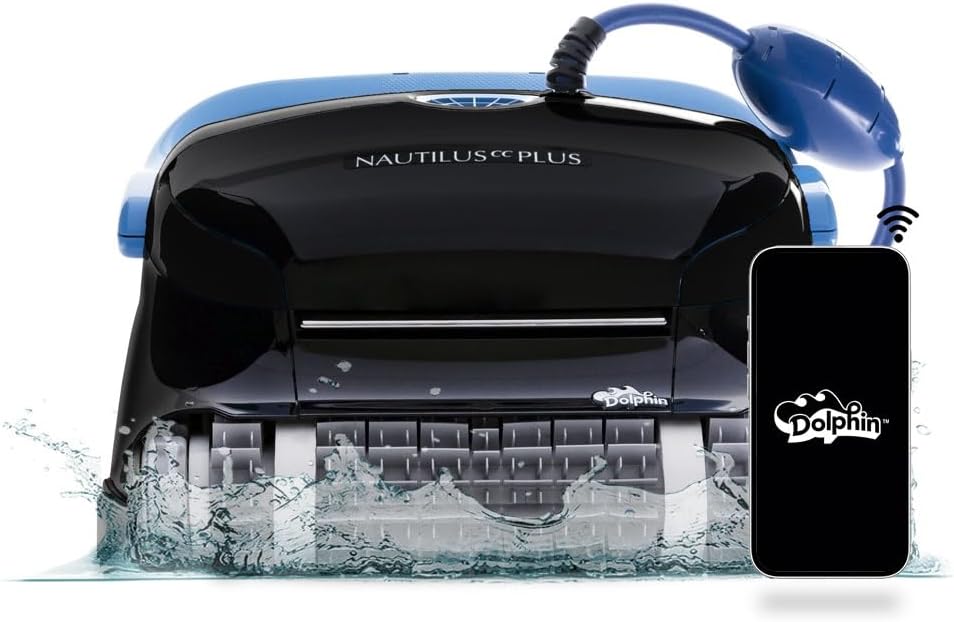
Dolphin Nautilus CC Plus Robotic Pool Cleaner
Best for: Buyers comparing a widely searched midrange Dolphin

Dolphin Nautilus CC Supreme Wi-Fi Robotic Pool Cleaner
Best for: Large pools needing broader cleaning-zone coverage
Frequently asked questions
Is a lower micron number always better?
Not necessarily. Finer filtration can clog faster and may be unnecessary for leaf-heavy cleanup. Compare verified ratings, debris type, flow, cleaning effort, and whether the figures were measured on the same basis.
How often should I clean the filter?
Follow the model manual and inspect it after cycles, especially during pollen, storm, or leaf season. A visibly full or flow-restricting filter should be cleaned before the next run.
Can I add filter material myself?
Use only approved media and configurations. Added fabric or improvised filters can restrict flow, strain components, interfere with fit, and affect warranty coverage.
Final decision
Match the answer above to the exact model manual, pool measurements and maintenance routine. Amazon listings can change by seller, bundle and generation, so verify the product name and ASIN before relying on a feature.