Active versus passive brushing
An active brush is driven to rotate relative to the robot's travel, which can improve agitation. Other rollers mainly support movement or direct debris. Product diagrams and manuals are more reliable than judging by the number of visible rollers.
Surface compatibility
Vinyl, fiberglass, plaster, tile, aggregate, and other finishes have different grip and care requirements. Use the manufacturer's compatibility list for the exact model and brush configuration, and consult the pool builder when the finish has special restrictions.
Wall traction
Brush material can help a robot climb, but climbing also depends on water flow, balance, drive condition, surface cleanliness, and geometry. Installing a different brush does not create wall-cleaning capability in a floor-only design.
Wear inspection
Look for rounded fins, tears, hardening, missing pieces, uneven rotation, or reduced diameter. Compare with the manual's replacement guidance. Brushes often wear gradually, so declining traction may appear before obvious failure.
Safe maintenance
Disconnect power or use the prescribed shutdown method before handling brushes. Remove hair and fibers carefully, keep hands away from drive openings, and use approved replacement parts installed in the documented orientation.
Use the robotic pool cleaner decision framework to compare the broader category, or narrow the catalog through Robotic Pool Cleaners for In-Ground Pools.
Exact products to compare
As an Amazon Associate, we may earn from qualifying purchases.

Dolphin Nautilus CC Automatic Robotic Pool Cleaner
Best for: Owners who want a compact established corded cleaner
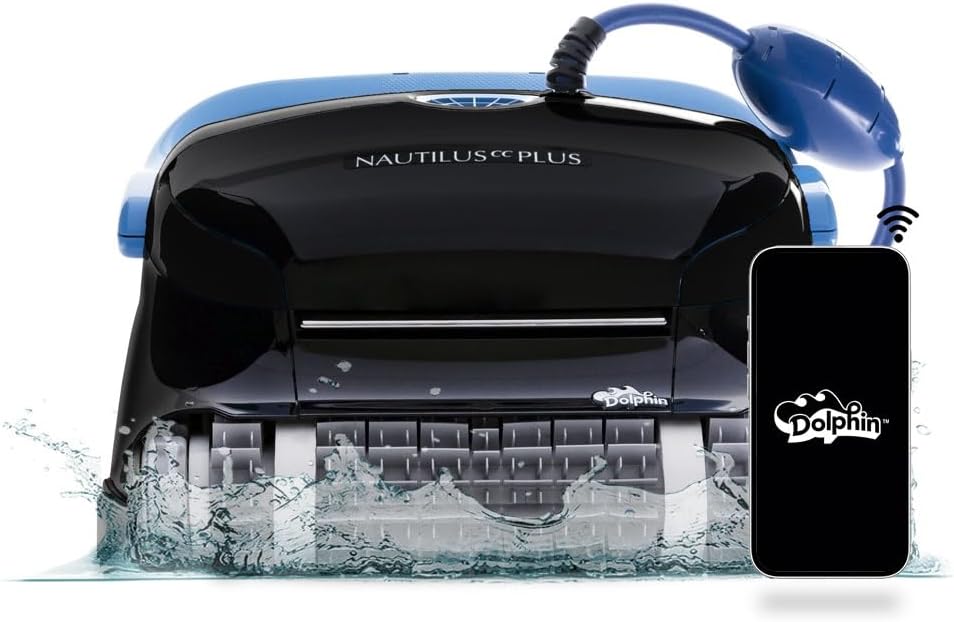
Dolphin Nautilus CC Plus Robotic Pool Cleaner
Best for: Buyers comparing a widely searched midrange Dolphin

Dolphin Nautilus CC Supreme Wi-Fi Robotic Pool Cleaner
Best for: Large pools needing broader cleaning-zone coverage
Frequently asked questions
Are foam brushes better for tile?
Some cleaner designs use foam or specialized rollers to improve grip on particular surfaces, but compatibility is model-specific. Do not generalize one manufacturer's brush recommendation to another robot.
Can brushes remove algae?
Brush agitation may loosen light material, but a robotic cleaner does not replace water testing, sanitation, circulation, or treatment of an active algae problem. Correct the water condition and follow pool-care guidance.
When should brushes be replaced?
Replace them when the manual's wear indicators or performance guidance call for it, or when damage prevents proper contact. Use the exact approved part for the model.
Final decision
Match the answer above to the exact model manual, pool measurements and maintenance routine. Amazon listings can change by seller, bundle and generation, so verify the product name and ASIN before relying on a feature.