Parking is not docking
Parking generally means stopping near an accessible boundary. Docking implies alignment with a defined station and may include charging or data transfer. Product descriptions can use the words loosely, so verify the actual end-of-cycle sequence.
Pickup locations can vary
Water movement, pool geometry, obstacles, and the robot's final route can affect its stopping point. A feature described as wall-side parking may not promise the same exact location after every cycle.
Retrieval still needs care
Use the handle or approved retrieval method. Do not lift a cord unless the manual expressly allows it, and never yank communication or charging components. Let water drain before carrying the robot to reduce strain and spills.
Charging rules remain essential
Cordless models may require a dry, ventilated charging area and specified temperature range. Dry connectors as instructed and inspect them for debris or damage. Do not improvise in-pool charging or leave a charger exposed to unsuitable weather.
Storage protects the system
After filter cleaning, store the robot, controller, and charger according to the manual. Shade, cable support, suitable temperature, and protection from freezing can matter more to long-term ownership than the parking feature itself.
Use the robotic pool cleaner decision framework to compare the broader category, or narrow the catalog through Robotic Pool Cleaners for In-Ground Pools.
Exact products to compare
As an Amazon Associate, we may earn from qualifying purchases.

Dolphin Nautilus CC Automatic Robotic Pool Cleaner
Best for: Owners who want a compact established corded cleaner
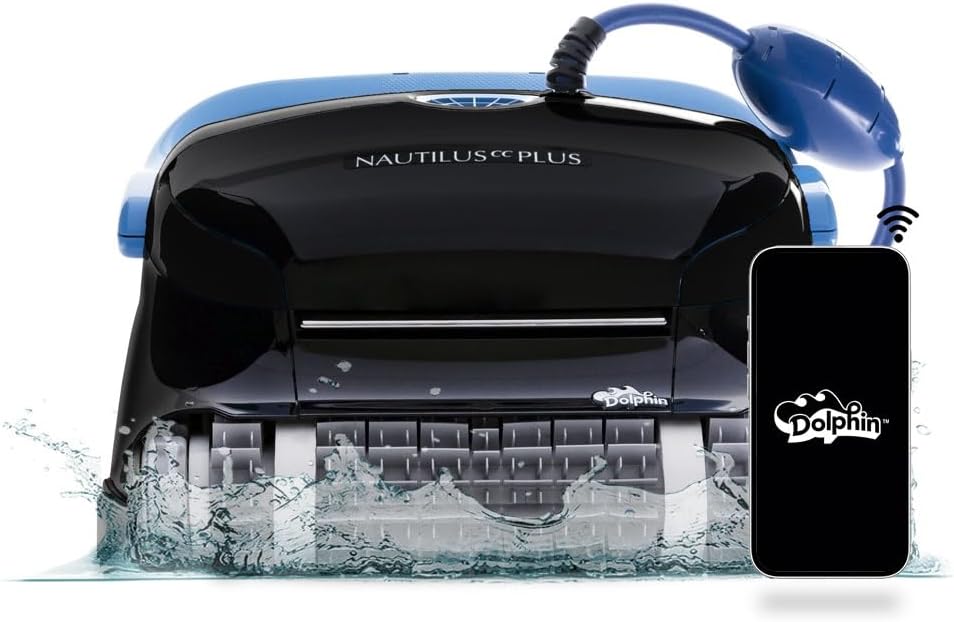
Dolphin Nautilus CC Plus Robotic Pool Cleaner
Best for: Buyers comparing a widely searched midrange Dolphin

Dolphin Nautilus CC Supreme Wi-Fi Robotic Pool Cleaner
Best for: Large pools needing broader cleaning-zone coverage
Frequently asked questions
Does self-parking lift the robot out of the pool?
Usually no. It commonly positions the robot for easier manual retrieval. Read the exact product instructions rather than interpreting parking as automatic removal.
Can a cordless robot charge underwater?
Only use the charging method explicitly supplied and approved by the manufacturer. Most charging instructions require conditions that must be followed closely; never create an underwater charging arrangement yourself.
What if the robot parks on the wrong side?
Check whether the feature promises a fixed location or merely wall-side access. Review placement, connectivity, obstacles, and troubleshooting steps before treating normal variation as a fault.
Final decision
Match the answer above to the exact model manual, pool measurements and maintenance routine. Amazon listings can change by seller, bundle and generation, so verify the product name and ASIN before relying on a feature.