Check the stated salinity range
Salt systems operate at different target concentrations, and cleaner manuals may specify a maximum. Use a reliable test rather than relying only on the chlorinator display. If the documents conflict, follow the more restrictive limit or ask the manufacturer before operating.
Avoid freshly added salt
Undissolved salt can collect on the floor and create a locally concentrated environment. Brush and circulate it according to the salt-system instructions before introducing the robot. The cleaner should not be used as the mixing tool for a fresh salt addition.
Rinse exposed components
After the cycle, disconnect and retrieve as instructed, then rinse the housing, brushes, tracks, filter, and approved cable surfaces with fresh water. This removes salt residue and trapped debris. Do not pressure-wash seals, connectors, or electrical areas.
Inspect wear and contacts
Look for discoloration, deposits, stiff bearings, damaged cable jackets, and corroded charging contacts. Cordless docks and magnetic connectors need the exact cleaning procedure in the manual. Stop using equipment with damaged electrical interfaces.
Store dry and shaded
Drain the robot fully and dry it in a ventilated place away from pool chemicals and direct sun. A damp, salty filter left inside the housing encourages residue and odor. Long-term in-pool storage should never be assumed safe merely because the water is balanced.
Use the robotic pool cleaner decision framework to compare the broader category, or narrow the catalog through Robotic Pool Cleaners for In-Ground Pools.
Exact products to compare
As an Amazon Associate, we may earn from qualifying purchases.

Dolphin Nautilus CC Automatic Robotic Pool Cleaner
Best for: Owners who want a compact established corded cleaner
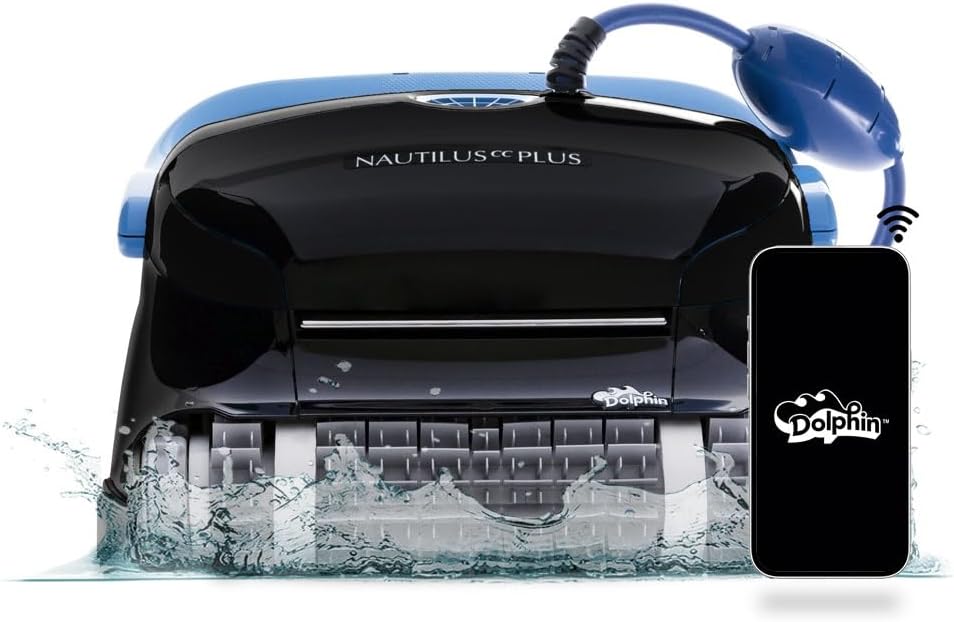
Dolphin Nautilus CC Plus Robotic Pool Cleaner
Best for: Buyers comparing a widely searched midrange Dolphin

Dolphin Nautilus CC Supreme Wi-Fi Robotic Pool Cleaner
Best for: Large pools needing broader cleaning-zone coverage
Frequently asked questions
Do I need a special saltwater pool robot?
Not always, but the exact model must permit the pool's salinity and chemistry range.
Can the robot pick up newly added salt?
It should not replace proper brushing and circulation; wait until salt is dissolved and conditions meet the manual.
Should I rinse the cleaner after every cycle?
Fresh-water rinsing after saltwater use is a sensible practice when performed according to the model instructions.
Final decision
Match the answer above to the exact model manual, pool measurements and maintenance routine. Amazon listings can change by seller, bundle and generation, so verify the product name and ASIN before relying on a feature.