Use debris as the trigger
Check the floor, waterline, filter load, and clarity after a full cycle. If the basket is nearly empty and the pool remains clean, the schedule may be more frequent than needed. If it fills early, shorten the interval or pre-skim.
Adjust for weather and use
Wind, pollen, leaves, nearby landscaping, swimmers, and an uncovered surface can change needs rapidly. A calendar schedule is a starting point, not proof that the pool is clean. Inspect after storms and periods of heavy use.
Respect filter capacity
A packed filter restricts water flow and reduces pickup. In a dirty pool, several cycles with filter cleaning between them are often better than one long unattended session. Select fine or coarse media suited to the debris when the model offers options.
Keep other care on schedule
Continue testing sanitizer and pH, running circulation, brushing missed features, emptying skimmers, and servicing the main filter. The robot removes solids from reachable surfaces; it does not distribute chemicals or establish safe swimming water.
Avoid needless wear
More cycles mean more brush, track, seal, cable, and battery use. Do not run an empty or improperly assembled cleaner simply because scheduling is available. A targeted routine based on actual debris balances cleanliness, convenience, and wear.
Use the robotic pool cleaner decision framework to compare the broader category, or narrow the catalog through Robotic Pool Cleaners for In-Ground Pools.
Exact products to compare
As an Amazon Associate, we may earn from qualifying purchases.

Dolphin Nautilus CC Automatic Robotic Pool Cleaner
Best for: Owners who want a compact established corded cleaner
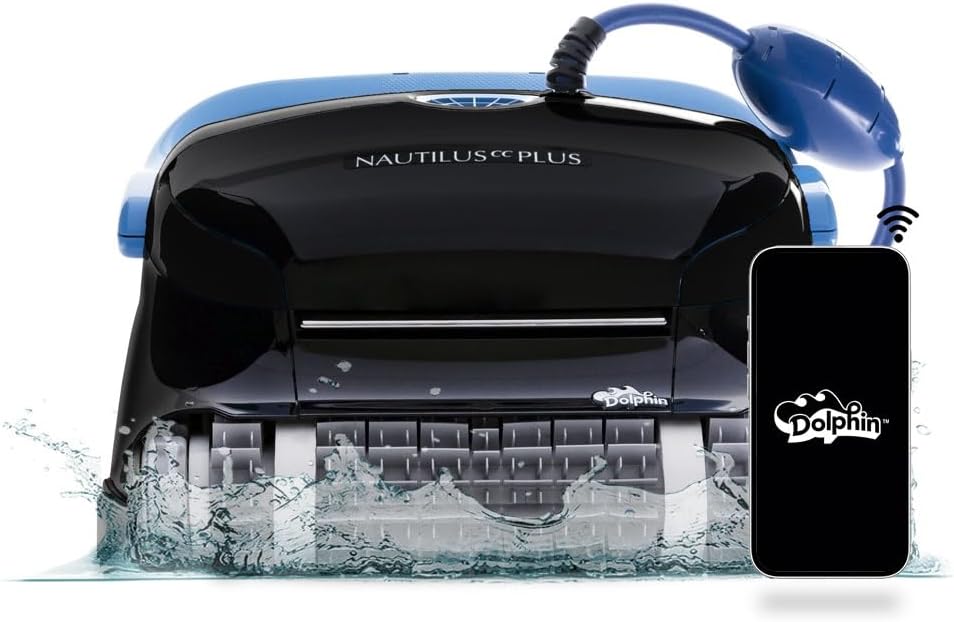
Dolphin Nautilus CC Plus Robotic Pool Cleaner
Best for: Buyers comparing a widely searched midrange Dolphin

Dolphin Nautilus CC Supreme Wi-Fi Robotic Pool Cleaner
Best for: Large pools needing broader cleaning-zone coverage
Frequently asked questions
Can I run a pool robot every day?
Some models support frequent or scheduled use, but confirm the manual. Daily cleaning may be useful during high debris periods and unnecessary when a covered pool stays clean.
Should I run two cycles after a storm?
If debris remains, additional cycles can help. Remove large branches or heavy leaf piles first, and clean the robot's filter between cycles to preserve flow.
Does running the robot replace pool circulation time?
No. The main circulation system supports filtration, heating, and chemical distribution. Set its schedule according to the pool system and water-care needs.
Final decision
Match the answer above to the exact model manual, pool measurements and maintenance routine. Amazon listings can change by seller, bundle and generation, so verify the product name and ASIN before relying on a feature.