Distinguish sand from other particles
Rub the material carefully and note where it collects. Filter media can resemble sand, mustard algae can look dusty, and scale may flake from surfaces. Identification matters because a damaged pool filter or chemistry issue will refill the floor after the robot finishes.
Use genuinely fine filtration
A standard mesh basket is designed for larger debris. Look for manufacturer-described fine panels, cartridges or inserts and confirm they fit the exact model. Avoid adding fabric or improvised material that can starve flow, stress the motor or bypass around the basket.
Maintain the basket seal
Fine particles escape through warped frames, misplaced panels and debris trapped on sealing edges. Seat each component after rinsing and inspect for cracks. If dirt returns immediately behind the machine, stop and examine filter installation before blaming navigation.
Balance capture and flow
Fine media loads faster and loses flow as pores fill. Shorter cycles with filter rinsing may outperform one long cycle. Clean according to instructions without high pressure that damages the material, and allow reusable elements to dry only when the manufacturer recommends it.
Address difficult collection zones
Grit often settles along seams, drains and the deep-end transition. Navigation may not place the intake perfectly over those lines. Changing the start point can help, but stubborn accumulations may still need a manual vacuum with controlled discharge.
Use the robotic pool cleaner decision framework to compare the broader category, or narrow the catalog through Robotic Pool Cleaners for In-Ground Pools.
Exact products to compare
As an Amazon Associate, we may earn from qualifying purchases.

Dolphin Nautilus CC Automatic Robotic Pool Cleaner
Best for: Owners who want a compact established corded cleaner
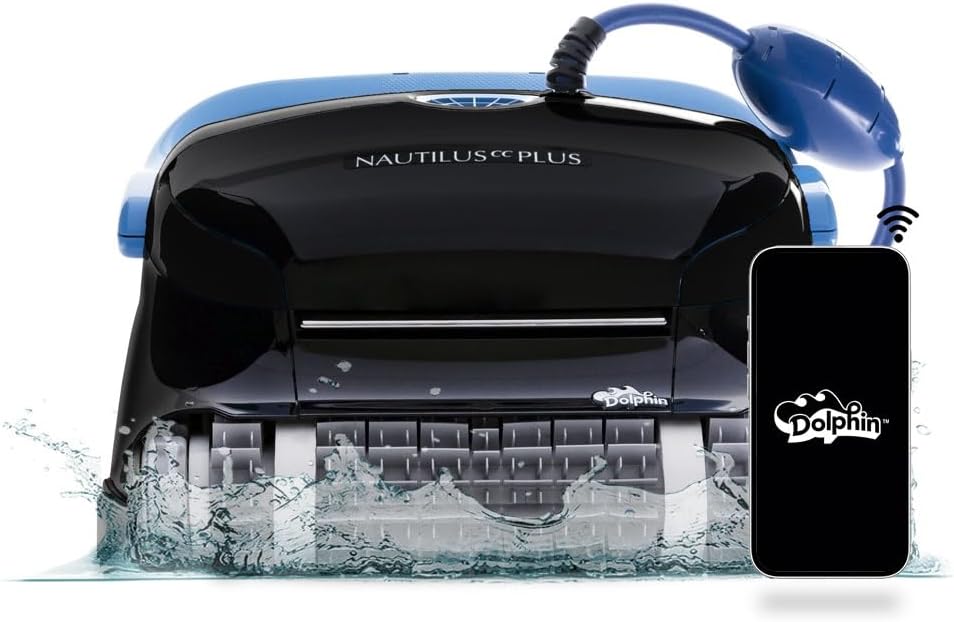
Dolphin Nautilus CC Plus Robotic Pool Cleaner
Best for: Buyers comparing a widely searched midrange Dolphin

Dolphin Nautilus CC Supreme Wi-Fi Robotic Pool Cleaner
Best for: Large pools needing broader cleaning-zone coverage
Frequently asked questions
Will a pool robot pick up sand?
A model with suitable fine filtration can collect sand, though basket sealing and filter maintenance are essential.
Why does dust come out behind the cleaner?
The media may be too coarse, incorrectly seated, damaged or overloaded. Confirm the filter type and inspect every sealing edge.
Can a robot remove dead algae?
It can collect loosened dead algae with fine media. Chemistry and circulation must first address the growth, and the filter may require frequent rinsing.
Final decision
Match the answer above to the exact model manual, pool measurements and maintenance routine. Amazon listings can change by seller, bundle and generation, so verify the product name and ASIN before relying on a feature.