Verify the permitted salinity
Do not rely on the phrase pool compatible. Check the manual for saltwater or a stated operating range and compare it with the generator setting and measured water. Pools operated outside recommended chemistry can damage both the cleaner and pool equipment.
Rinse after every session
Fresh-water rinsing removes salt residue from the housing, brushes, tracks and filter basket. Pay attention to seams and moving joints, then let the unit drain in shade. Never spray a control box, charger or connector contrary to its water-resistance instructions.
Limit unnecessary immersion
Leaving a cleaner submerged between cycles prolongs chemical and salt exposure. It can also interfere with swimmers and make inspection less likely. Remove, empty and store the unit according to the manual even when a listing describes convenient in-pool scheduling.
Watch metal and electrical components
Check visible fasteners, charging contacts, cable terminations and power-supply plugs for discoloration or residue. Stop use if seals, cords or connectors are damaged. Cleaning corrosion with an unapproved chemical can worsen a seal or void support, so follow manufacturer service guidance.
Keep chemistry in range
A salt generator does not automate every chemical decision. Improper pH, high sanitizer concentration or shocking while the cleaner is present can age materials. Remove the robot during chemical treatment and wait the period specified by the pool and cleaner manufacturers before returning it.
Use the robotic pool cleaner decision framework to compare the broader category, or narrow the catalog through Robotic Pool Cleaners for In-Ground Pools.
Exact products to compare
As an Amazon Associate, we may earn from qualifying purchases.

Dolphin Nautilus CC Automatic Robotic Pool Cleaner
Best for: Owners who want a compact established corded cleaner
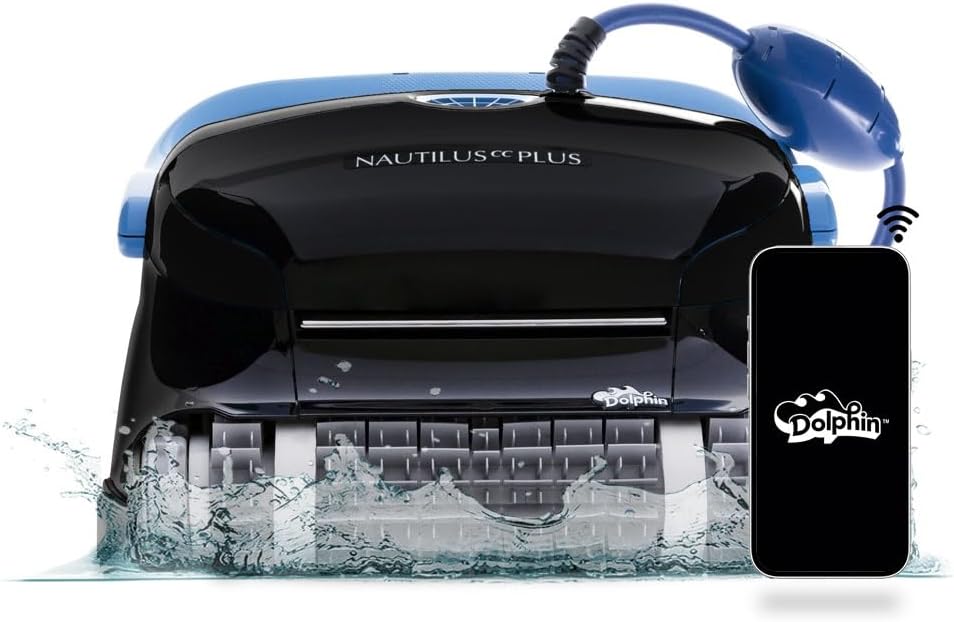
Dolphin Nautilus CC Plus Robotic Pool Cleaner
Best for: Buyers comparing a widely searched midrange Dolphin

Dolphin Nautilus CC Supreme Wi-Fi Robotic Pool Cleaner
Best for: Large pools needing broader cleaning-zone coverage
Frequently asked questions
Can any pool robot be used in saltwater?
No. Confirm saltwater compatibility and any stated salinity limit in the current manual before use.
Should I rinse a saltwater pool cleaner?
Yes. A fresh-water rinse after the cycle helps remove residue. Drain and store the unit as directed.
Can the cleaner stay in a saltwater pool?
Routine removal is safer unless the manufacturer explicitly allows extended immersion. It reduces exposure and creates an opportunity to inspect the unit.
Final decision
Match the answer above to the exact model manual, pool measurements and maintenance routine. Amazon listings can change by seller, bundle and generation, so verify the product name and ASIN before relying on a feature.