After every cycle
Empty the filter and examine it for tears, warped frames, or seals that are not seated. Check that the non-return flap closes and that debris is not wrapped around brushes or tracks. A clean filter preserves flow and makes performance changes easier to notice.
Weekly visual checks
Look over the floating cable or battery enclosure, handle, latches, wheels, tracks, and brush surfaces. Search for cracks, cuts, discoloration, loose parts, or uneven wear. Stop using damaged electrical components rather than covering or improvising a repair.
Periodic flow checks
Reduced pickup, weak wall climbing, or shortened cycles can begin with a clogged filter or impeller. With the machine fully de-energized, inspect the user-accessible water path. Follow the manual's fasteners and tools; do not open sealed motor compartments.
Chemistry and rinsing
Keep pool chemistry within the cleaner's stated range. After use, fresh-water rinsing may be particularly important in saltwater pools or after strong sanitizer exposure. Never return a robot immediately after shock treatment without confirming the prescribed wait and safe levels.
Storage and records
Store the cleaner, supply, charger, and cable in a dry, shaded, ventilated location within specified temperatures. Record filter, brush, track, battery, or cable replacements. Model and serial information plus dated photos can simplify support and warranty conversations.
Use the robotic pool cleaner decision framework to compare the broader category, or narrow the catalog through Robotic Pool Cleaners for In-Ground Pools.
Exact products to compare
As an Amazon Associate, we may earn from qualifying purchases.

Dolphin Nautilus CC Automatic Robotic Pool Cleaner
Best for: Owners who want a compact established corded cleaner
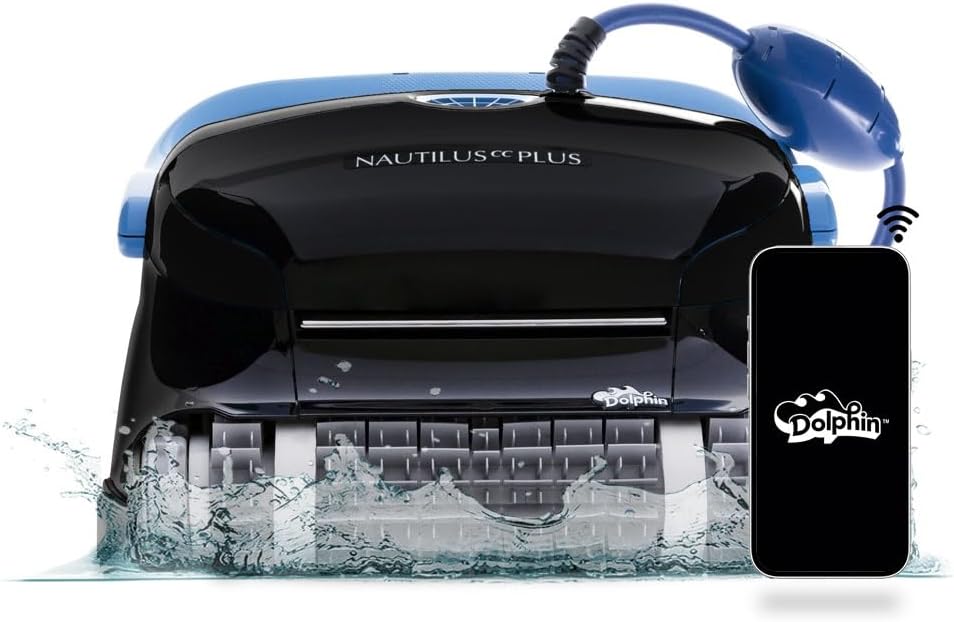
Dolphin Nautilus CC Plus Robotic Pool Cleaner
Best for: Buyers comparing a widely searched midrange Dolphin

Dolphin Nautilus CC Supreme Wi-Fi Robotic Pool Cleaner
Best for: Large pools needing broader cleaning-zone coverage
Frequently asked questions
How often should I clean the filter?
Clean it after each cycle and more often if a heavy debris load fills it mid-cycle. Restricted flow can reduce pickup and wall-climbing performance.
Can I pressure-wash the filter?
Use only the cleaning method in the manual. Excessive pressure can damage fine media, seams, or frames even if the damage is not immediately visible.
Which parts should I lubricate?
Do not add lubricant unless the manufacturer specifies the product and location. Unapproved oils can damage plastics, attract grit, affect seals, or void coverage.
Final decision
Match the answer above to the exact model manual, pool measurements and maintenance routine. Amazon listings can change by seller, bundle and generation, so verify the product name and ASIN before relying on a feature.