Calculate corded cycle energy
Divide input watts by 1,000 to obtain kilowatts, then multiply by operating hours. A label may show maximum input rather than typical draw, so a plug-in energy meter can provide a better real-world measurement when it is safe and suitable for the installation.
Include charging losses
For cordless units, battery capacity alone does not equal wall energy. Chargers consume more than the energy ultimately stored and may draw a small amount after charging. A compatible meter at the indoor outlet can capture the full charge session without modifying equipment.
Use the current utility rate
Electricity bills can include supply, delivery, taxes, and time-of-use pricing. Use the marginal rate relevant to the cleaning time, not a national average presented as a promise. Recalculate when rate plans or cleaning frequency change.
Do not double-count pump savings
A robot circulates water locally and captures debris, but it does not automatically replace required filtration, sanitation, or turnover. Change the main pump schedule only with reliable pool-specific guidance. Calculate robot energy and any verified pump adjustment as separate lines.
Optimize frequency by evidence
More cycles are not always cleaner if the basket is already empty. Track debris load, season, storms, and swimmer use. A targeted schedule can reduce electricity and wear while keeping the pool ready, and extra cycles can be added after high-debris events.
Use the robotic pool cleaner decision framework to compare the broader category, or narrow the catalog through Robotic Pool Cleaners for In-Ground Pools.
Exact products to compare
As an Amazon Associate, we may earn from qualifying purchases.

Dolphin Nautilus CC Automatic Robotic Pool Cleaner
Best for: Owners who want a compact established corded cleaner
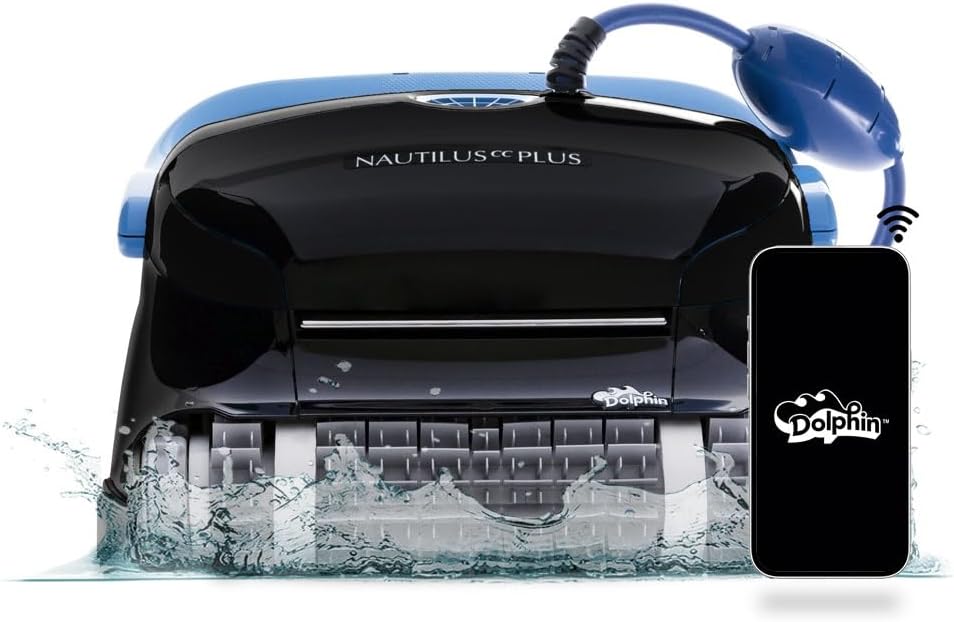
Dolphin Nautilus CC Plus Robotic Pool Cleaner
Best for: Buyers comparing a widely searched midrange Dolphin

Dolphin Nautilus CC Supreme Wi-Fi Robotic Pool Cleaner
Best for: Large pools needing broader cleaning-zone coverage
Frequently asked questions
Are pool robots cheaper to run than pool pumps?
They often use less power during a cycle, but they perform different jobs and do not necessarily replace required pump operation.
How do I estimate monthly cost?
Multiply measured kilowatt-hours per cycle by monthly cycles and the applicable utility rate.
Does a cordless robot use no electricity?
No. Its battery is charged from electricity, with additional charger losses.
Final decision
Match the answer above to the exact model manual, pool measurements and maintenance routine. Amazon listings can change by seller, bundle and generation, so verify the product name and ASIN before relying on a feature.